Why Paint Correction Is Worth the Investment Before Selling Your Car
First impressions drive car sales. Paint correction removes years of swirl marks and scratches, making your car look thousands of dollars more valuable to buyers.
When a potential buyer walks up to your car, they make a snap judgment within the first 10 seconds. If your paint is covered in swirl marks, water spots, and oxidation, they see a neglected vehicle — and they'll lowball you accordingly. In the Hartford–Springfield used car market, where most listings start as photos on a phone screen, paint condition is the difference between "come see it today" and getting scrolled past. Paint correction changes that equation dramatically.
What Is Paint Correction?
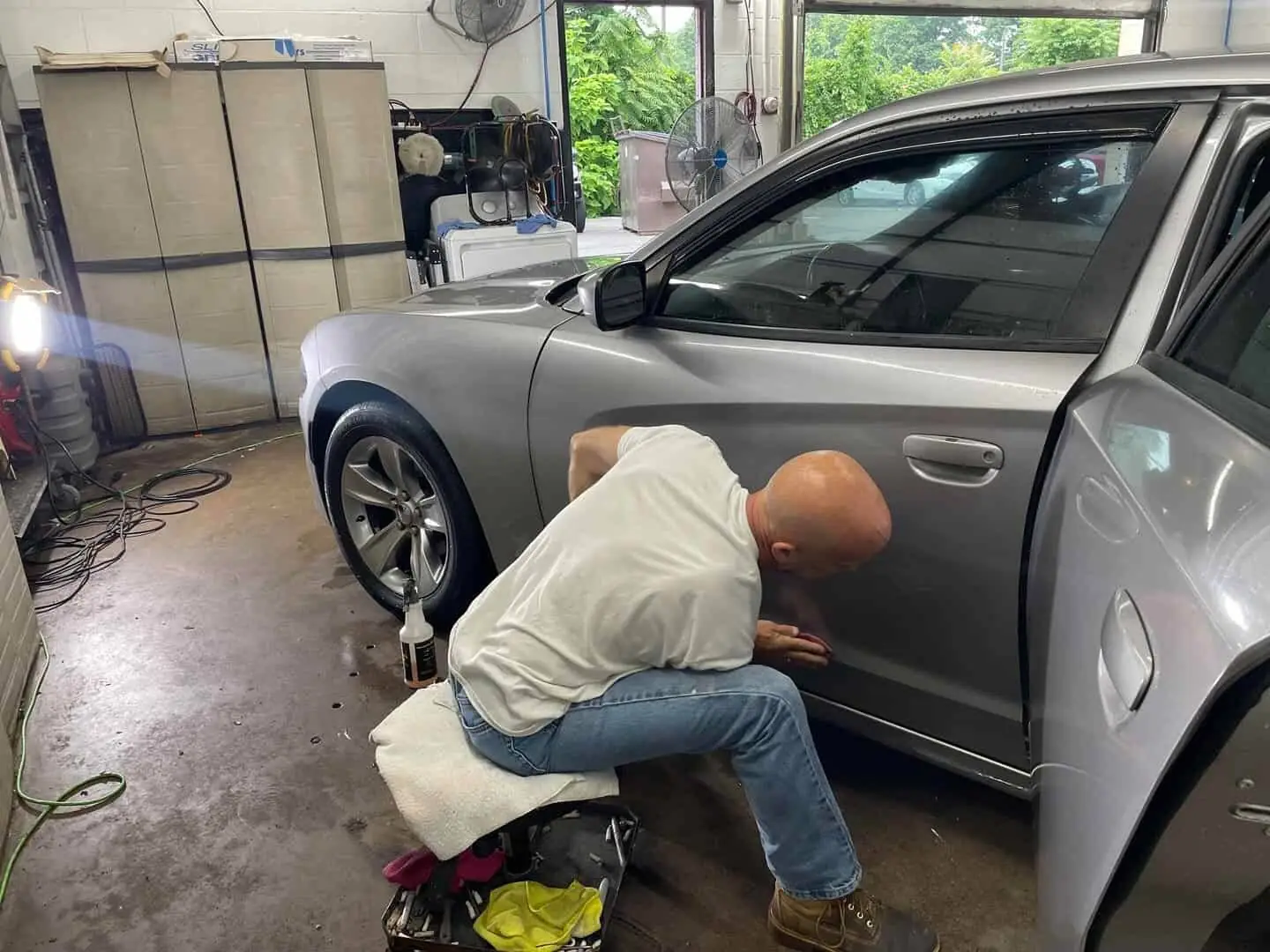
Paint correction is a machine polishing process that removes imperfections from your car's clear coat. It's not painting, and it's not a cover-up — it's the physical leveling and polishing of your existing paint to remove:
- Swirl marks from automated car washes and winter snow brushing
- Light to moderate scratches
- Water spots and mineral etching
- Oxidation and UV fading from summers parked outside
- Buffer trails from previous poor-quality detailing
- Etching from bird droppings, sap, and acidic pollen
The result is a deep, mirror-like gloss that looks like factory-fresh paint.
[Insert Image Description: Half-and-half shot of a dark car hood during paint correction — one side dull with swirl marks, the other side polished to a mirror gloss]
The ROI: What Paint Correction Adds to Resale Value
Industry data consistently shows that vehicles in "excellent" cosmetic condition sell for 10–15% more than identical vehicles in "good" condition. On a $20,000 car, that's $2,000–$3,000 in additional value — far more than the cost of a paint correction service. Here's how the math typically works out for a private sale in our area:
| Scenario | Typical Prep Cost | Typical Value Impact |
|---|---|---|
| Sell as-is (swirls, oxidation, water spots) | $0 | Baseline — buyers negotiate down from photos |
| Quick wash and wax | Low | Cleaner photos, imperfections still visible in person |
| Paint correction + sealant | Moderate | Showroom photos, stronger in-person impression, faster sale |
| Full detail + correction before lease return | Moderate | Avoids $300–$500 per-panel excess wear charges |
Even for trade-ins, dealerships visually assess vehicles at intake. A car with flawless paint gets a higher appraisal than one that needs cosmetic work — because the dealer knows they'll have to pay someone to fix it before putting it on the lot.
When to Get It Done
Schedule your paint correction 1–2 weeks before listing or trading in your vehicle. This gives you time to photograph the car in its best condition for online listings, while the finish is still at peak gloss. At Shine Doctor, we can also apply a quick sealant after correction to keep the finish protected during the selling period.
Getting the Most from Corrected Paint When You Sell
Correction gets the paint right — these steps get that value into your listing:
- Photograph within a few days of the correction, before road film builds back up
- Shoot in early morning or late afternoon light — midday sun washes out gloss
- Include one low-angle reflection shot; deep reflections signal cared-for paint instantly
- Mention the professional correction in your listing — it explains the condition and justifies your price
- Keep the receipt with your service records; documentation builds buyer trust
- Hand wash only between correction and sale — one brush wash can undo the work
- Park it nose-out in the driveway for showings; first sight should be the corrected front end
[Insert Image Description: Freshly corrected black SUV photographed at golden hour in a driveway, sky reflection crisp and mirror-like in the paint]
What About Lease Returns?
Lease return inspectors scrutinize paint condition. Excess wear charges for paint damage can run $300–$500 per panel. A full paint correction before your lease inspection often costs less than the penalty for a single damaged panel — and covers the entire vehicle. With several dealer groups within twenty minutes of Enfield, lease returns are a big share of our correction work every spring.
Is Every Car a Candidate?
Honest answer: no. Correction removes a thin layer of clear coat, so a vehicle with failing or repainted clear may need a different approach. Watch for these signs before booking:
- Clear coat peeling or flaking on the hood or roof — correction can't fix delamination
- Deep scratches that catch a fingernail — those need touch-up, not polishing
- Previous repaints with heavy orange peel — we'll assess panel by panel
- Very high-mileage paint that's been machine-buffed multiple times before
- Rust bubbling under the paint — bodywork comes first
We inspect every vehicle before quoting and tell you straight whether correction makes financial sense for your sale.
Planning to sell or trade in? Get a paint correction quote from Shine Doctor in Enfield, CT. Call (860) 741-2270.
Ready to book?